Will Worry-Free Grocery Store be the next Midnight Food Store?
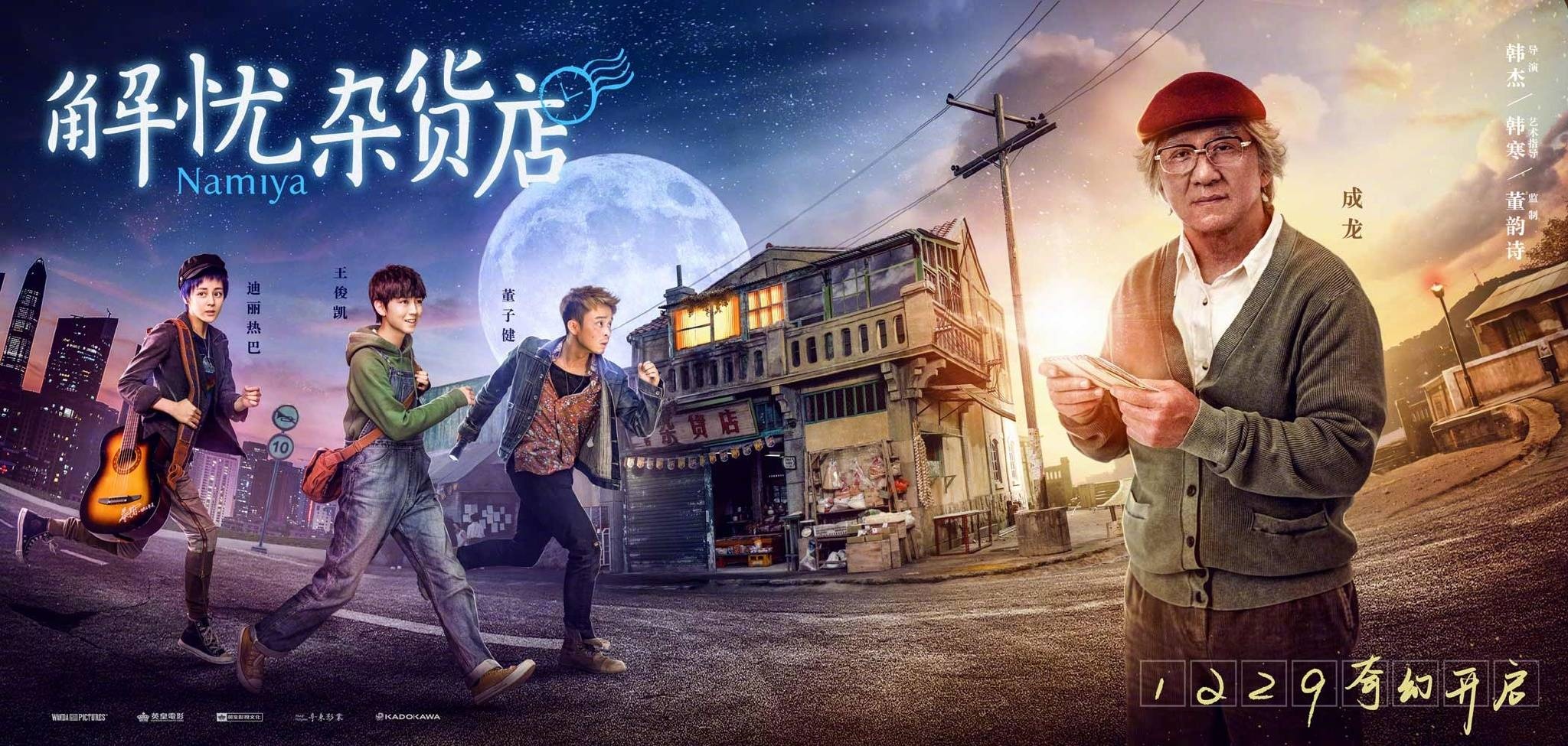
Special feature of 1905 film network The movie that will be released in the mainland on December 29th has caused a heated discussion since its starring role was announced.
Karry, Dilraba, Dong Zijian, Jackie Chan and other actors joined in, which made the audience’s curiosity soar. What will such a novel from the famous Japanese writer Keigo Higashino look like?
Here is the difficulty in the adaptation of Worry-Free Grocery Store.
The Worry-Free Grocery Store is very different from Keigo Higashino’s previous works. It no longer uses suspense to solve stories, but adopts a tender and delicate writing technique, which makes the interwoven relationship of characters extremely warm.
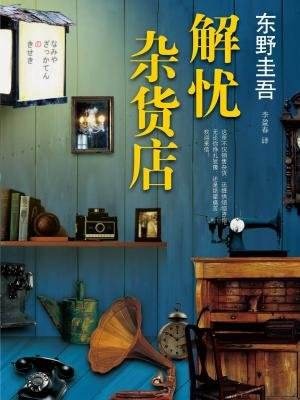
This novel has a high evaluation all over the world, because it has jumped out of the conventional author style, brought a refreshing feeling, and added a sense of security and happiness to people in today’s society.
Keigo Higashino’s novel tells five stories in five chapters. Mr. Langya, the owner of the grocery store, answers questions for Shizuko Kitazawa, Krone Matsuoka, Green Kawabe, Hirosuke Hejiu and Harumi Wu Teng respectively.
At first reading, it seems to be independent stories, but in the last chapter, these five stories are magically linked together like a circle, which is very transparent. This is one of the difficulties in adaptation.
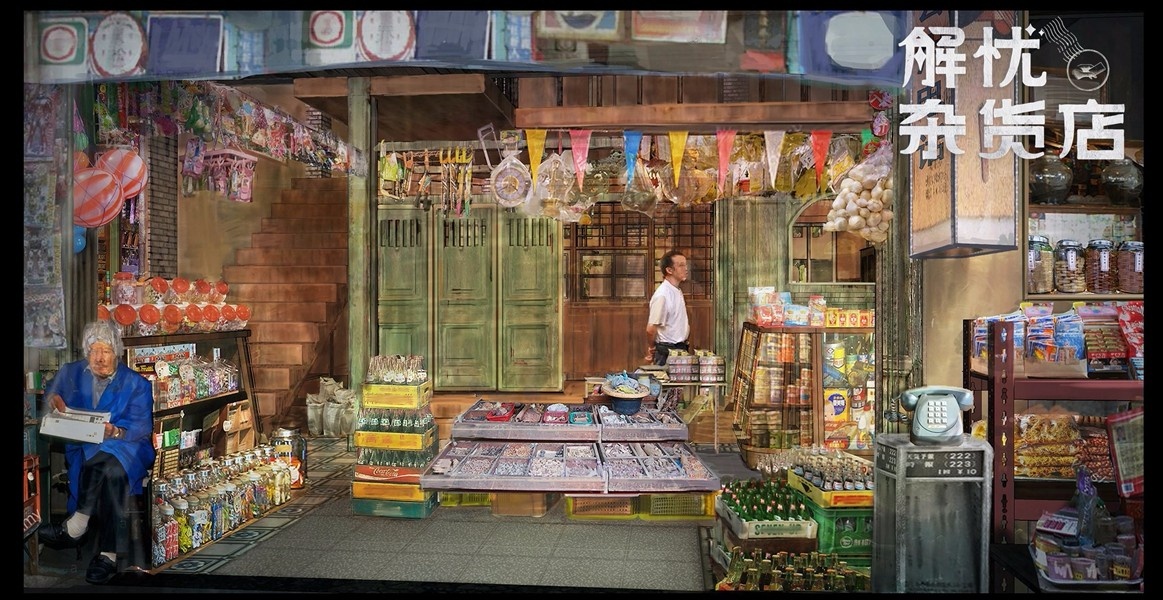
Keigo Higashino’s way of writing stories is beyond time and space, connecting the 1970s and 1980s with the early 21st century by writing letters to the past. Thirty or forty years can change many things, but for the characters in the story, the advice given by Mr. Langya seems to make them change, but the result has not changed. The method of telling the intersection of time and space is the second difficulty.
The third point is about letters. Writing letters is far away for us, but in Japan, the habit of writing letters has continued. Twice a year, once in summer, after the "summer visit" and the Mid-Autumn Festival, I will write to ask how I am doing, and once in winter, that is, in the New Year, I will receive and send new year cards. However, in today’s China, few people start to write, let alone write letters.
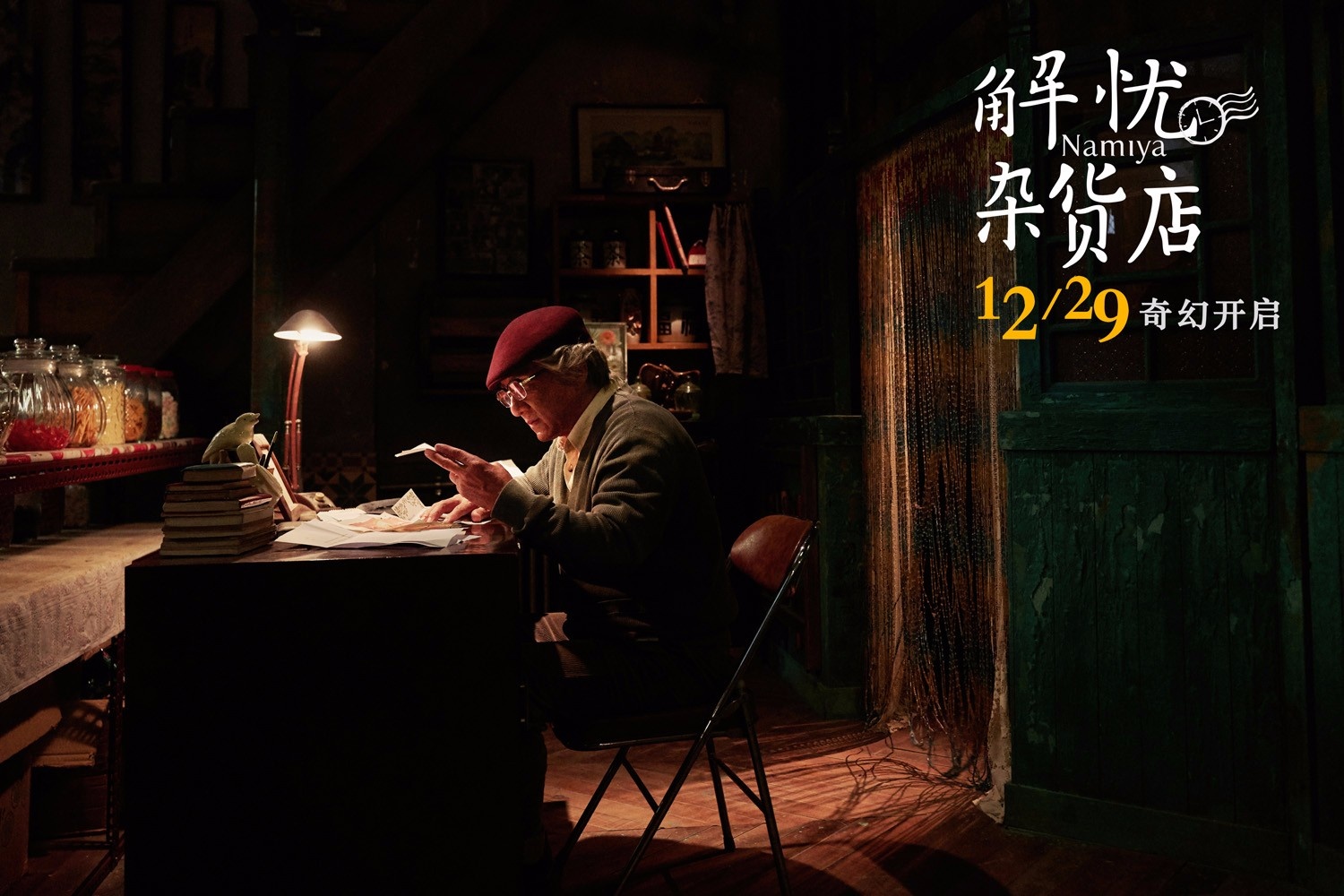
In the letters in Jieyou Grocery Store, Mr. Langya answered every letter with sincerity, encouraging the sender to find the direction and determine his own beliefs. This will inevitably touch a word, which is actually the core — — Chicken soup. Mr. Langya’s chicken soup touched everyone. How to localize it under the premise of clarifying the differences between Chinese and Japanese cultural concepts is quite difficult for people to accept and not be spit out.
The biggest feature of film adaptation:China era elements are all over the film.
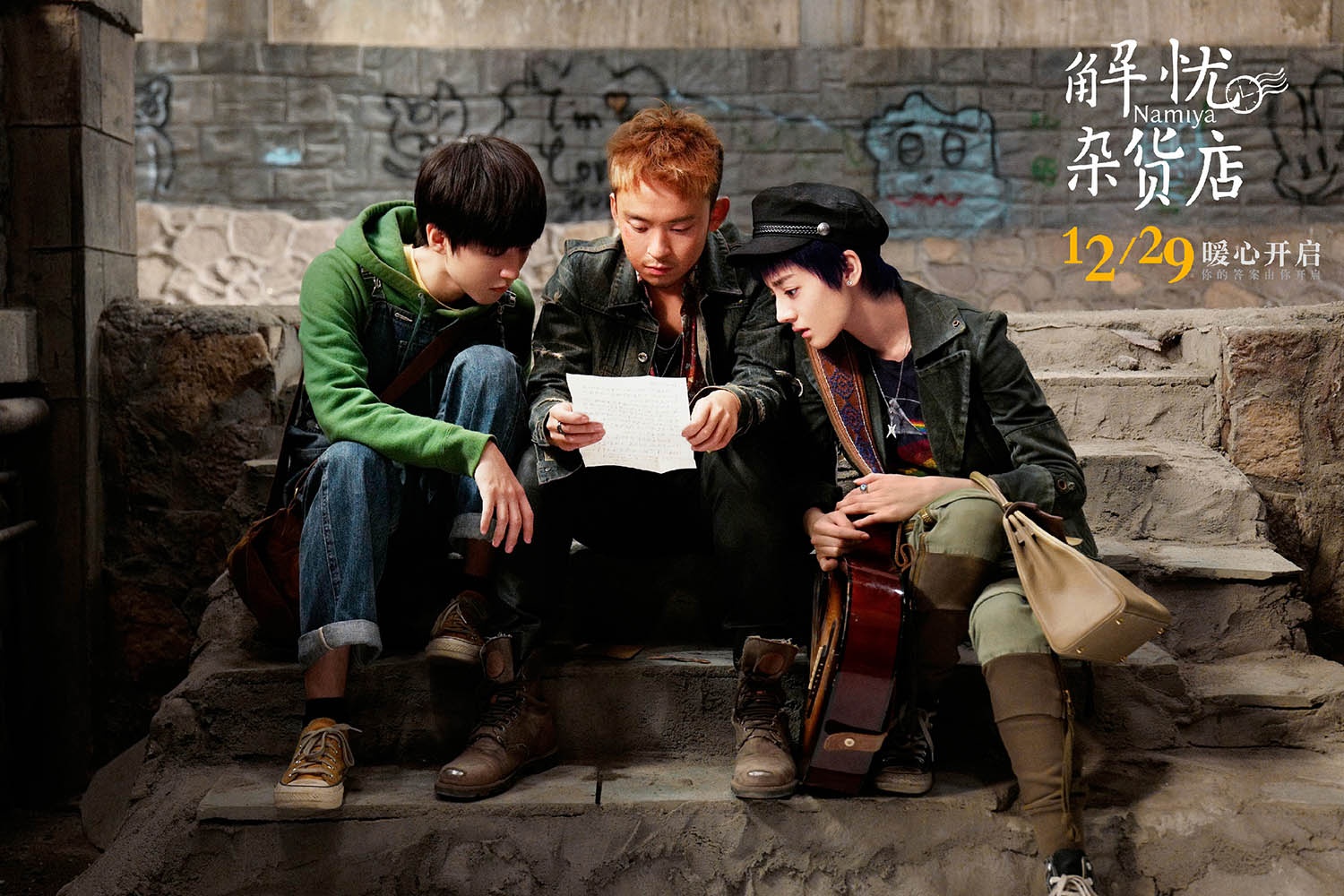
In the film directed by Han Jie, the story is reduced to three. The protagonists are Qin Lang, a "small town musician" who struggles for his dream, Hao Bo, a "Mr. Jackson" who is at odds with his family, and Wang Wang, a dancer who is caught in a life dilemma.
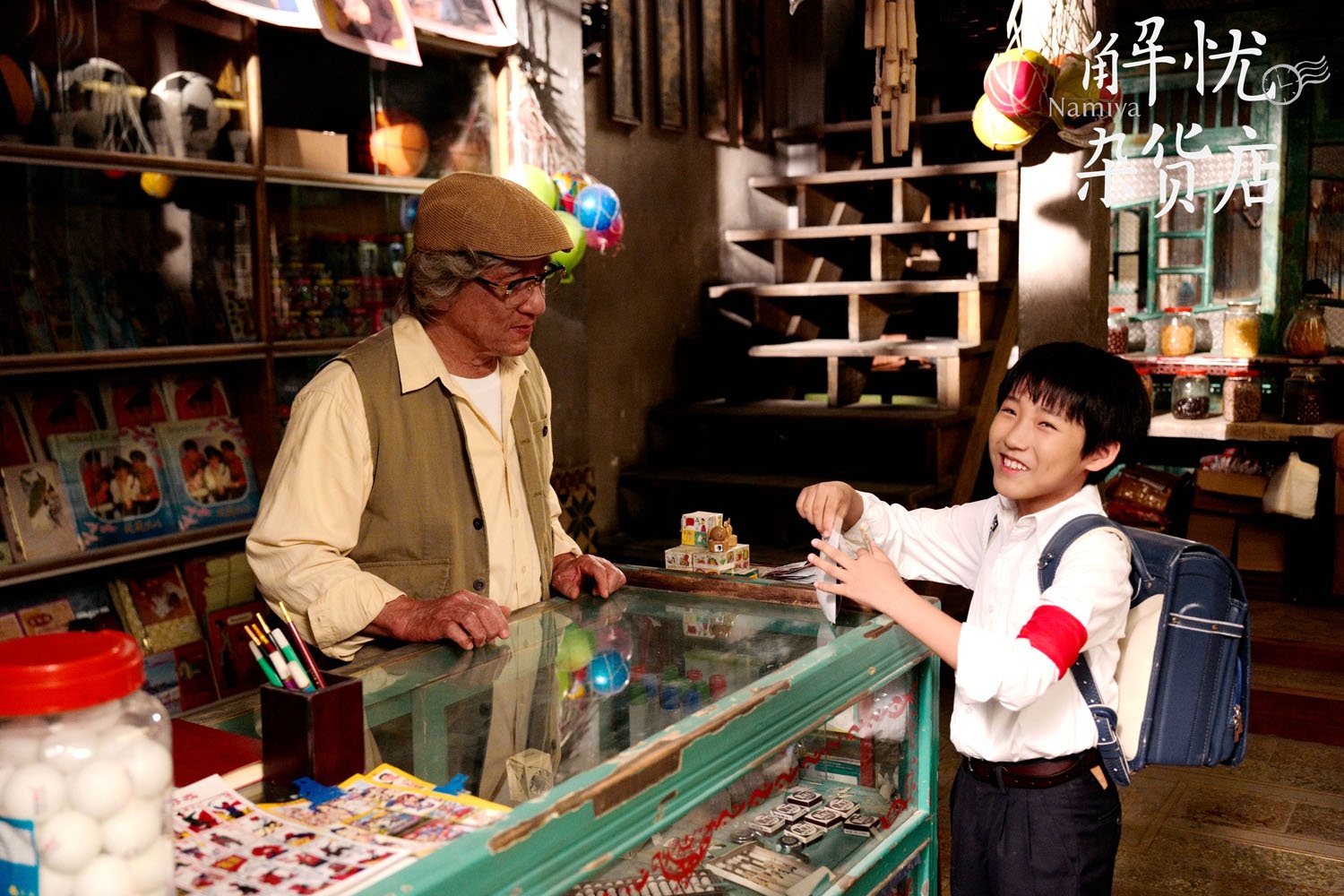
Yes, the hero is not the trio of thieves played by Karry, Dilraba and Dong Zijian. They just serve as a lead, slowly extending the story between grandpa and the three people who have been relieved.
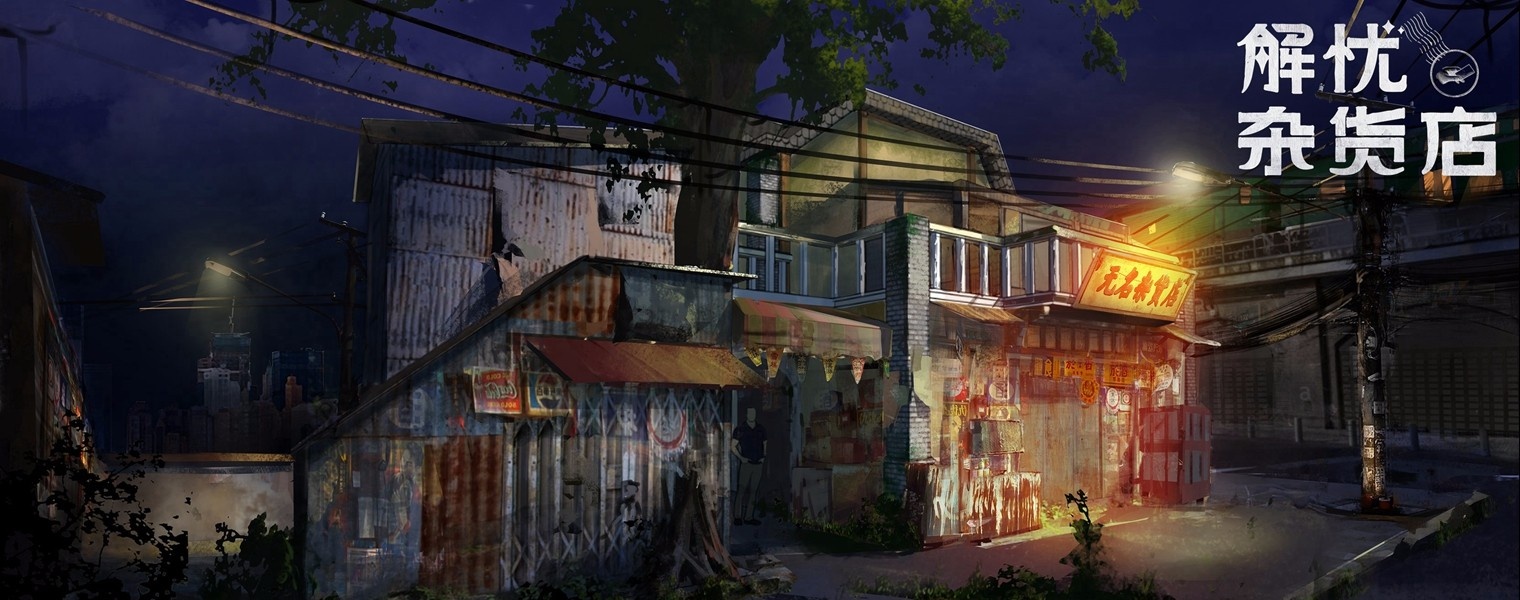
In the story, the grocery store revived overnight after 20 years, waiting for people who had received help before to send back letters to tell the latest situation. The two nodes in the movie are 1993 and 2017 respectively, and the original works correspond to 1980 and 2012. Time has changed, and the film has also changed greatly in the representative elements of the times.
In the part of small-town musician, Qin Lang, played by Hong Chi Lee, has worked hard in Beijing for three years, but he still hasn’t made a name for himself. He is struggling with the choice between inheriting his family business and fulfilling his musical dream. This story basically follows the original, and has made more grounded changes.
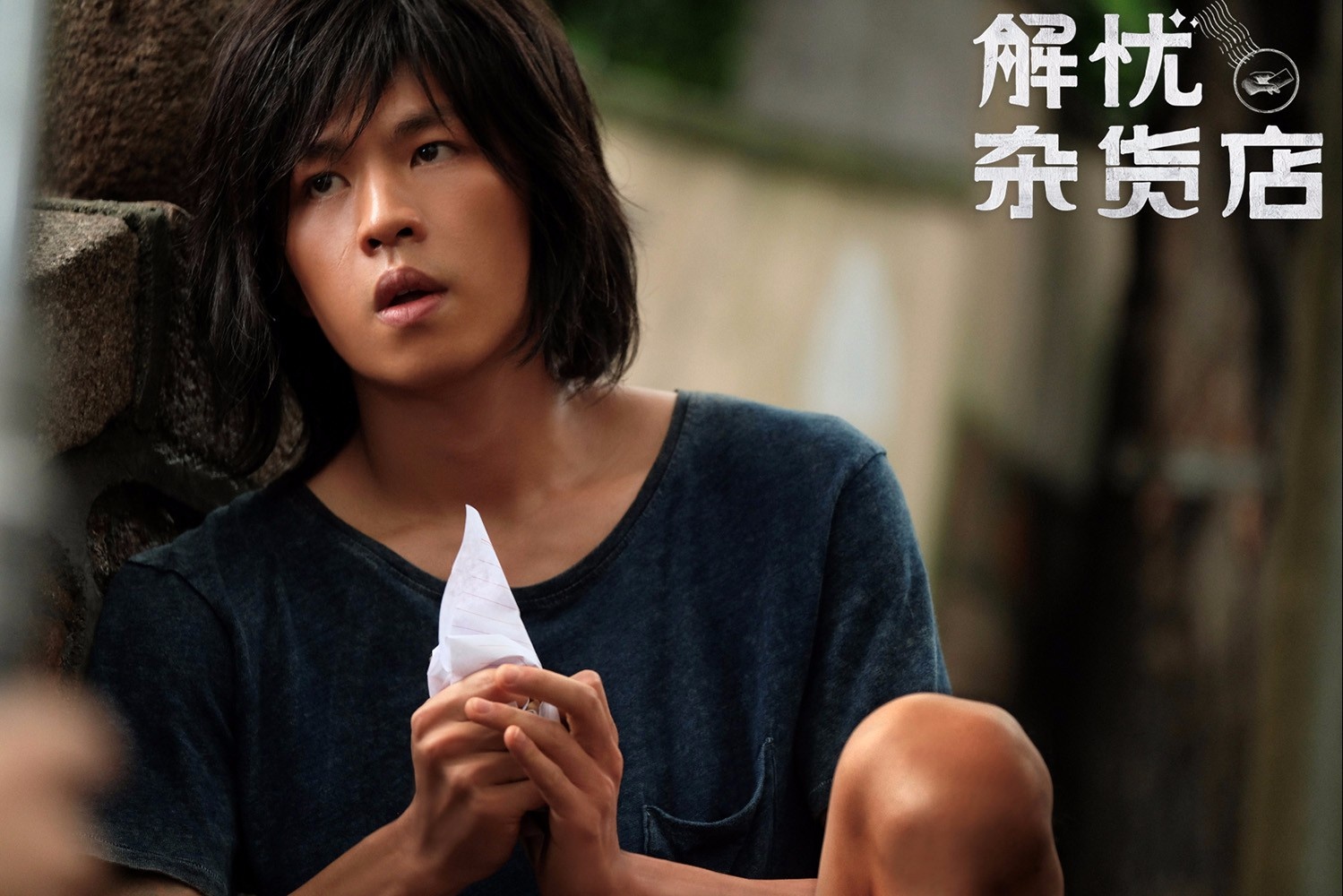
For example, Cui Jian, the godfather of rock and roll, and Qin Lang sang a song "Youth" by Shen Qing. The residence in Beijing is the quadrangle in Hutong, with poets who are obsessed with poetry, girls who are learning English, and couples who are going to live abroad.
The letters back and forth also revealed that Qin Lang didn’t know about smog, mobile phone, online celebrity and live broadcast, and the most popular TV series at that time was The Legend of the New White Snake.
In Mr. Jackson’s part, Haobo grew up to be a painter instead of a "woodcarver" in the original work, and the iconic musical figures involved became Michael Jackson instead of the Beatles. What makes Haobo feel confused is that Jackson is deeply involved in sexual assault, not that the Beatles are about to disband.
In the part of the dancer, in the movie, she fell into a scam, which we can often see, that is, the northeast pretended to be rich compatriots in Hong Kong and Taiwan and cheated single and ignorant women of their money. In Worry-Free Grocery Store, the counterpart is Zhang Long, the boss of fake Causeway Bay area.
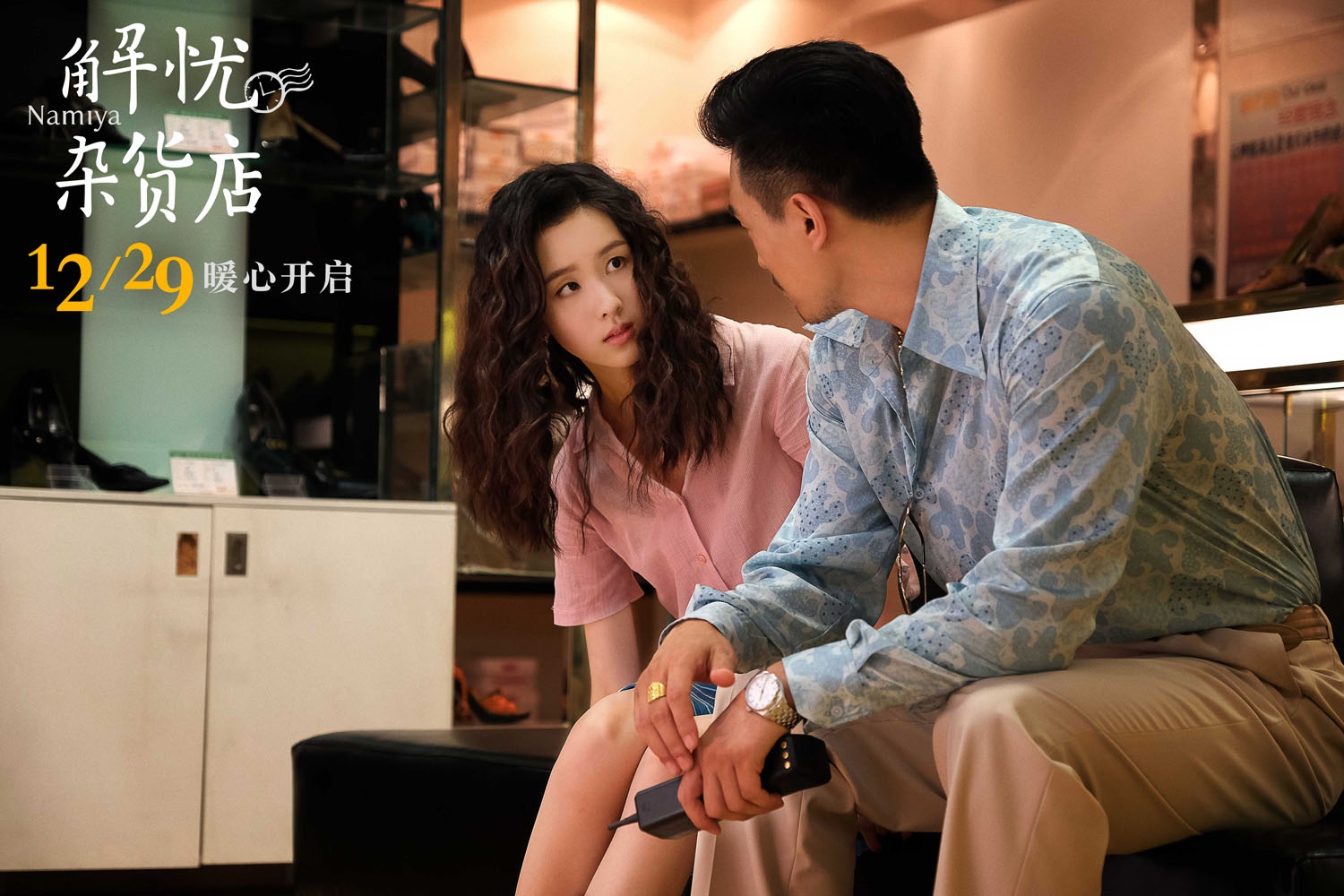
The film replaces all the Japanese elements in the original work with symbols that we are familiar with in the 1990s, which makes the story that was originally far away from us more China-like.
Features of adaptation of Han Jie edition:Han HanThe feelings of a small town are lingering.
After watching the movie, you will definitely feel that the story filled with strong Japanese atmosphere was filmed by Han Jie with the flavor of China town, and it was also familiar.
This is related to Han Han, the art consultant of this film.
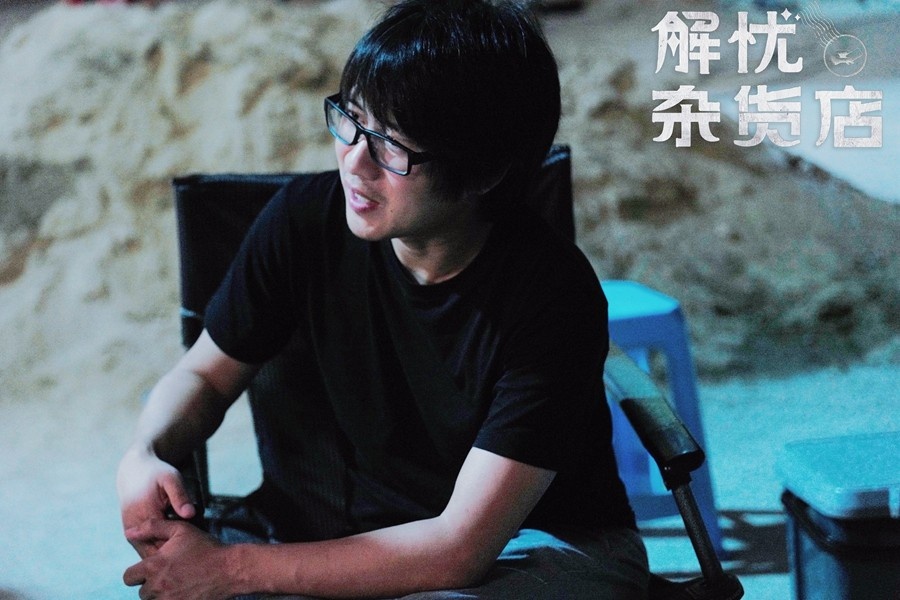
At present, I don’t know how much influence Han Han has had in "Worry-Free Grocery Store", and I won’t jump to a conclusion yet, but it must be affirmed that the feelings of small town conveyed by this film still exist.
From Hong Chi Lee’s pursuit of musical dreams and estrangement from his family, to Chen Douling’s experience in the ballroom where the dancer is located, there is a trace of similar style to that of years ago.
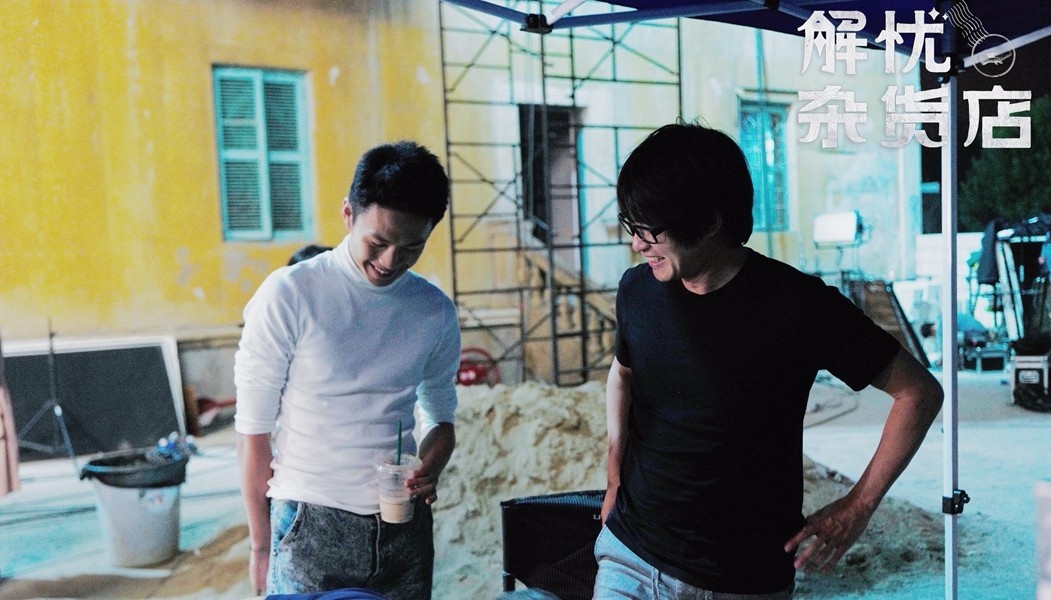
The dream female voice combines the paragraphs of Tucao variety show promoted by selling miserably in recent years; When Mr. Jackson was hiding in the railway station when he was a child, the beggar next to him said "Rock will not die" and the conductor replied "You must die". There are also a few such relaxed jokes in the film.
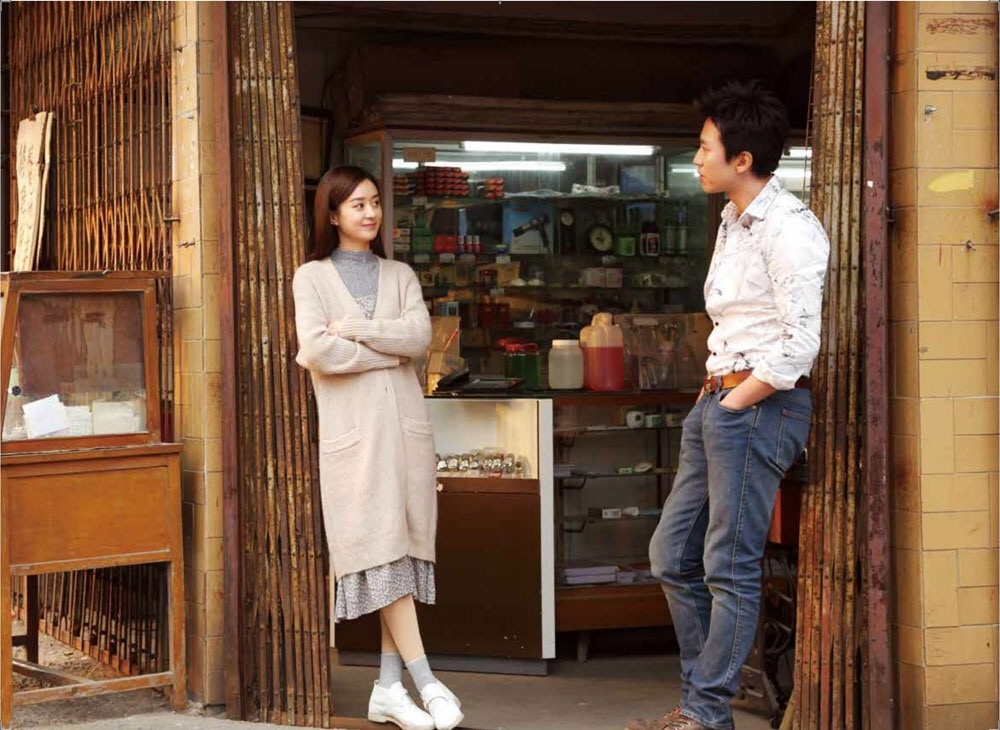
It is also a story about time and space. "Riding the Wind and Waves" also has many humorous paragraphs. It can be seen that Han Han, as an art consultant, injected his own ideas into it, adding another journey to the film’s local level.
Tell a good story about China,It looks good. When. Difficult.
Han Jie, the director, once said during the promotion of "Worry-Free Grocery Store" that this film will never follow the old road of "Midnight Food Store".
Indeed, in terms of localization adaptation, Worry-Free Grocery Store doesn’t let the protagonist wear Japanese clothes and cook Chinese food in a Japanese-style house like Midnight Food Store.
However, what we need to pay attention to is that when the film is adapted locally, it also needs to follow the creative principles of the film itself. "Worry-Free Grocery Store" has achieved good results in localization adaptation, but the cycle before and after the story still needs to be considered again.
The problem with "Midnight Food Store" is not only that it doesn’t meet the needs of China, but also that the reproduction is rather blunt, which makes people feel that the writers didn’t use their brains at all. At this point, Jieyou Grocery Store can see that it is trying to get rid of the shadow of Japanese works in China.
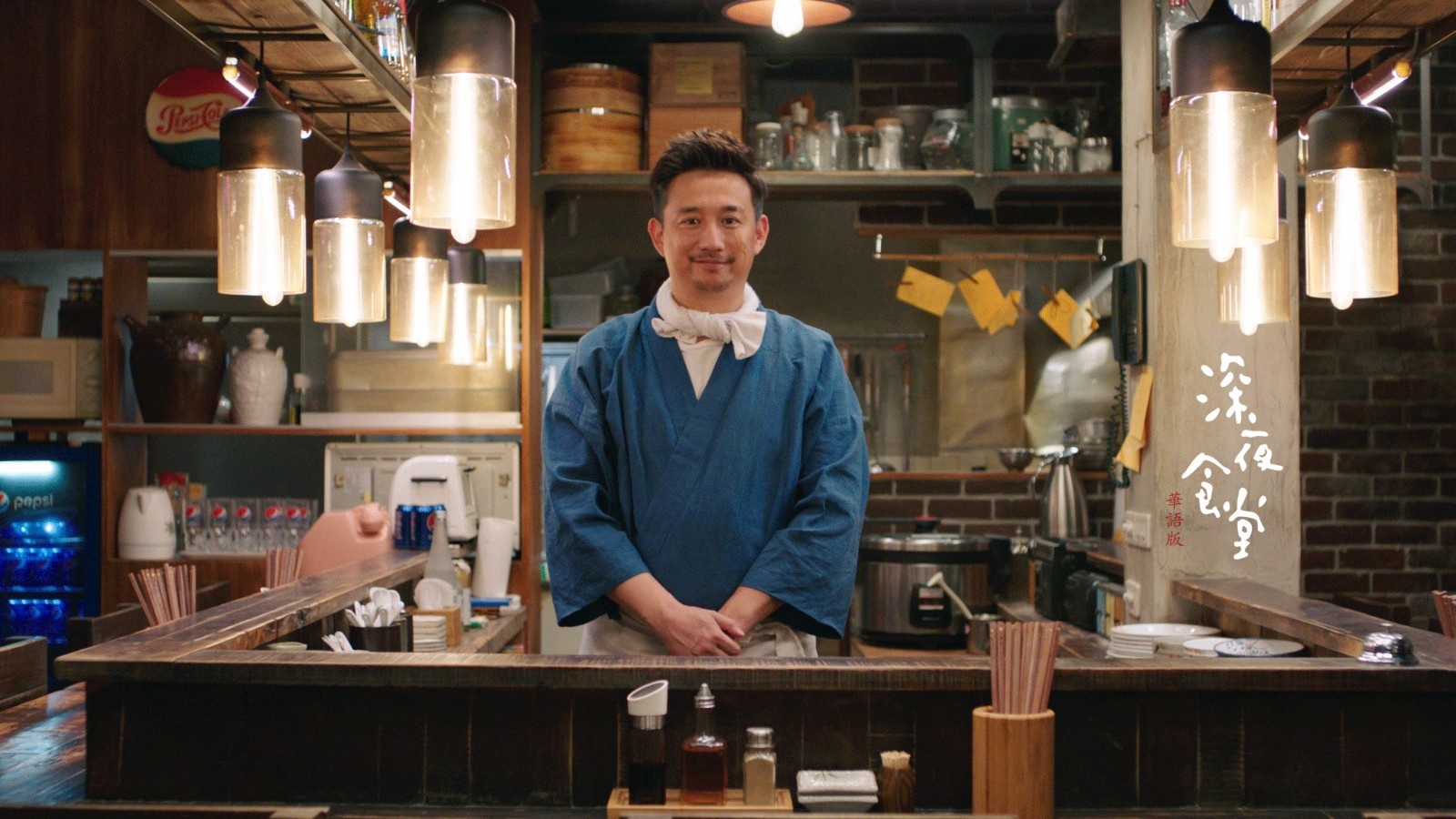
This year, there are not a few domestic films adapted from Japanese novels. The first half of the year is better than the much-criticized Midnight Food Store series.
Although its localization adaptation is not the best, within the scope of director Alec Su’s ability, he has been carefully adapting this story that has been chewed many times.
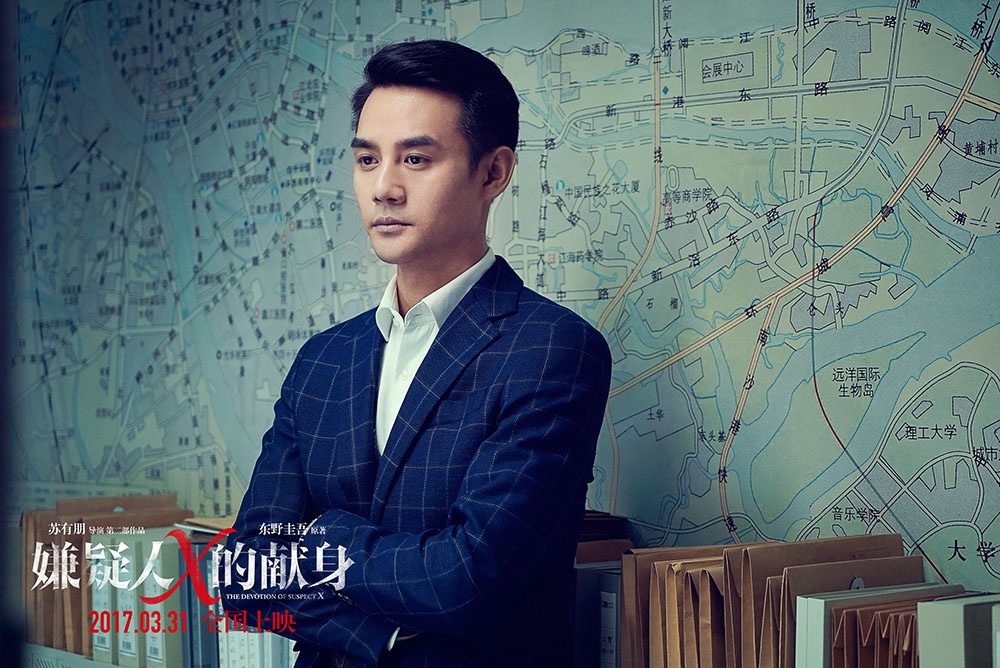
The localization and adaptation of foreign works and films exist that the storytelling ability of most films is not enough, as Zhang Hongsen, deputy director of the State Administration of Press, Publication, Radio, Film and Television, said:
The unity, integrity, vividness and vividness of the story are obviously lacking in some movies. The fundamental reasons are that the story itself has serious problems, and the basic skills of story narration are severely tortured by the audience.
Storytelling should start from the story itself, especially when adapting foreign works. A good story and script are the foundation of a good movie. Only by carefully shaping the character and charm of the characters can the story not lose its power to really touch people’s hearts.