"Lu Chuan" Culture in Europe: How does barbecue affect the world?
Has kebabs become a political issue in Europe? Although it sounds humorous, it is actually a serious topic.
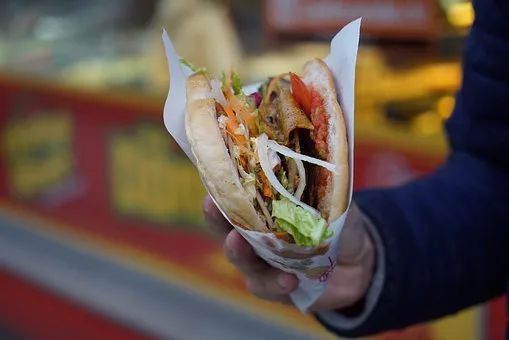
In France, in addition to hamburgers, a kebab named "doner kebab" (doner kebab: in the early years, sheep, cattle and chicken were cut with rotating stickers and baked on the stove, and now they are also eaten with Arabic bread like sandwiches) is also one of the most popular fast food. It has aroused great unexpected concern and controversy, and brought many cultural problems that people have never explored before.
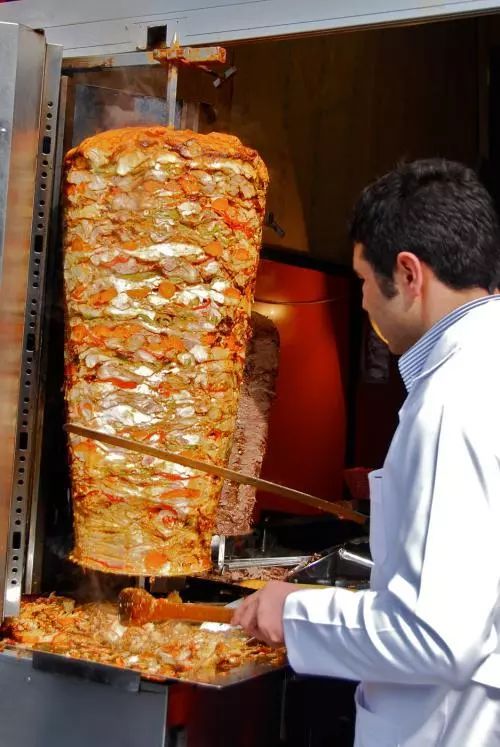
In December 2017, the Health Committee of the European Parliament voted to ban the use of phosphate additives in frozen "doner kebab". For the sake of public health, this should have been a simple administrative adjustment, but this decision triggered a strong protest.
Preservation of kebabs
Renate Sommer, CDU), a German member of the European Union, fired the first shot. She claimed on her Facebook that this decision may lead to thousands of people losing their jobs, and the owners of countless small restaurants will pay for it.
This issue has attracted more and more attention from the European media: Bild reiterated Sommer’s concern, and The Guardian, La republicblica and El Pais quickly followed suit.
Two weeks later, the European Parliament postponed this decision on the pretext of the upcoming evaluation by the European Food Safety Agency (EFSA).
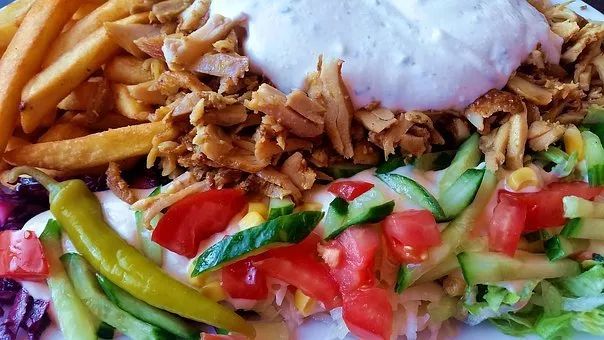
Although it seems like a mountain out of a molehill, in fact it is not as trivial as it seems at first. People’s reactions range from despair and anger to entertainment and joy. This shows that behind the ordinary appearance of "donerkebab", the social and identity problems faced by European society today are actually hidden.
Love and hate for kebabs
First of all, the most important point is that in Europe, this kind of doner kebab has achieved amazing success and won the love of thousands of people. It has overcome all difficulties and become the first choice meal for European workers. It is the most typical midnight snack in Europe.
"doner kebab" was introduced to Europe in the mid-1930s, when several Greek and Armenian restaurant owners exiled from Anatolia many years ago decided to add this dish to the menu. At that time, it was a humble food known only to immigrants. They thought that this kebab was not only cheap and delicious, but also kept their symbolic connection with the motherland.
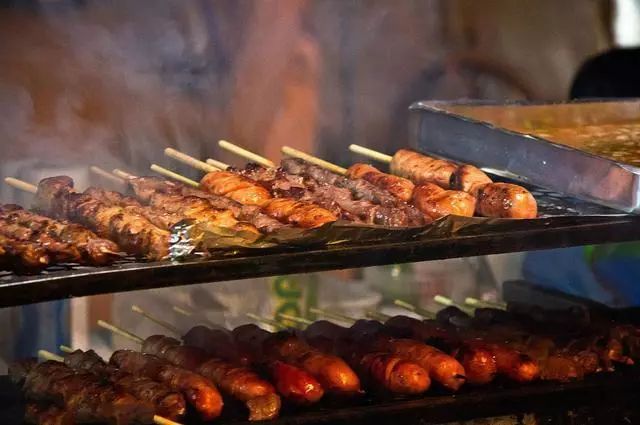
At that time, this dish was named döner kebap, which, together with other similar dishes, was widely spread all over the world, with many names such as gyro (Greek), shawarma (Arabic) and alpastor (Spanish), and the names varied greatly from place to place.
It was not until the 1980s and 1990s that this kind of kebab really became popular in western Europe. With the impact of deindustrialization, many laid-off workers, especially those from Turkey, decided to switch to food service.
Due to the lack of rich cooking knowledge and funds, many of these people chose to make kebabs. Their cheap restaurants are mainly aimed at workers, students and immigrants-these customers just want to find an unpretentious place to have a casual meal. Facts have proved that this kind of kebab has been unexpectedly welcomed and gradually occupied a place in the social and culinary circles of European cities.
Huge output
"doner kebab" is becoming more and more popular in Europe, and its popularity is shocking. According to reports, there are now more than 550 kebabs in Paris alone; In Britain, there are 17,000 enterprises selling kebabs; In Germany, the center of European kebabs, people will eat 2 million copies of "doner kebab" every day in 2017.
This success is very surprising, because it does not depend on the monopoly of global food groups, but on the "genius" of thousands of independent food vendors. "doner kebab" is not only a satisfying food that conforms to the cultural and moral standards of consumers, but also can keep up with the rapid changes in European eating habits.
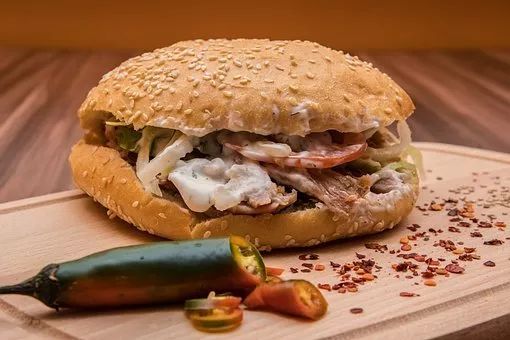
However, success comes at a price. As kebabs become more and more popular, people are more and more wary of it. Numerous articles have reported the unsanitary situation of some shops, which equates "doner kebab" with unhealthy in the public mind, and people think it is a kind of food with high fat content and disgusting.
A gift from immigrants to Europe
Although the image of "doner kebab" is sometimes unattractive, it has received enthusiastic support from a large number of European residents. For them, this is not only a cheap, delicious and delicious meal, but also a vivid embodiment of the value of cultural exchange.
In the research article Dner Kebab and the social positioning struggle of German Turks in 1999, researcher Ayşe Çağlar discussed the positive relationship between German barbecue and Turkish immigrants. She quoted the slogan shouted in Berlin’s demonstrations in support of foreign immigrants in the 1980 s: "Without foreigners, no doner kebabs!" This cultural and political connection is far from confined to Germany. A reporter from Los Angeles Times commented that doner kebab was simply "a gift from Turkish immigrants to Germany".
Ibrahim dou, chairman of the Centre for Turkish Studies, also said:
"The humble kebab conveys a powerful message, which unites immigrants and locals."
Original title: The Doner Kebab, An Unlikely Symbol of European Identity
Original link: https://theconversation.com/the-doner-kebab-an-intangible-symbol-of-European-identity-117025.
Author: Pierre Raffard
Translator: Yee Jun
Editor: Yee Jun
Based on Creative Co-Agreement (BY-NC), the integrated release of translation and speech is made.
This translation is only used for learning and communication purposes. The pictures are from the internet, and the copyright belongs to the author. Please indicate the translator and source for non-commercial reprinting, and keep the complete link of the article in the translated language. Please contact editor@yeeyan.com for business cooperation.
(This article was originally published in "Translated Words" WeChat official account: yeeyancom)